When Tools, Knowledge, and Community Align
Access Unlocked, Communities Empowered

Economic Ripples on Main Street
Repair Cafés as Talent Incubators
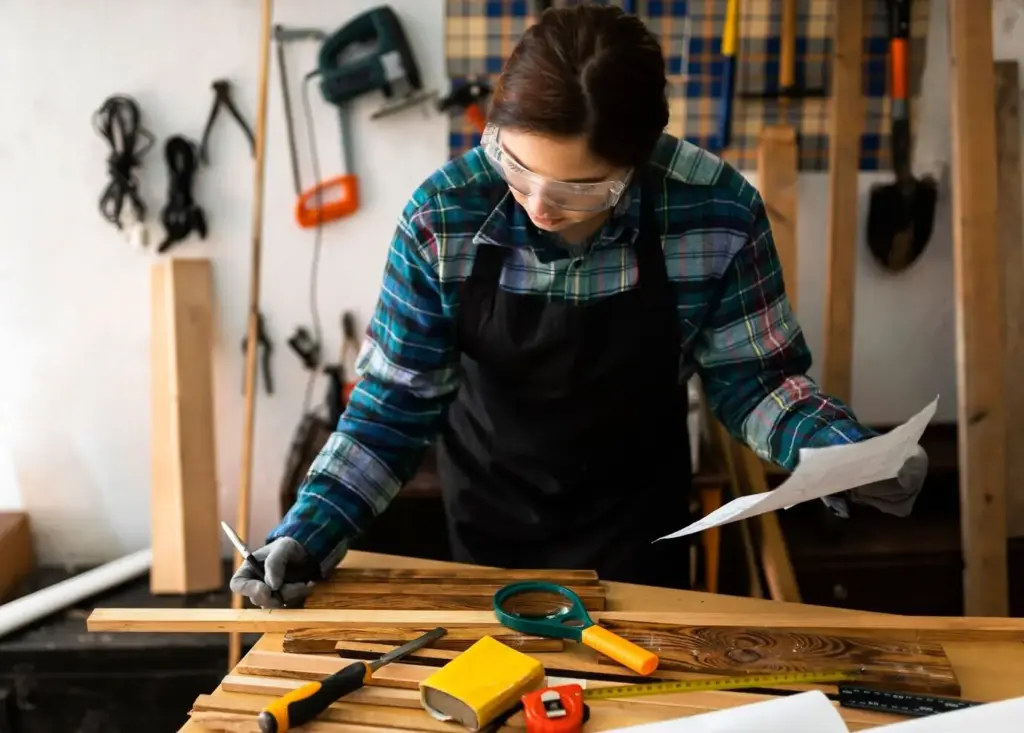
Volunteer events introduce real devices, real people, and real stakes in low-pressure settings. Participants learn safe disassembly, connector etiquette, and diagnostic thinking. Right-to-Repair policies amplify these spaces by ensuring replacement parts and instructions actually exist. Many attendees become shop helpers, freelance specialists, or knowledge-sharing neighbors, stitching together an informal guild that spreads skills without gatekeeping or costly barriers.
Schools and Libraries Joining In
Libraries lend tools and host workshops; schools integrate soldering and troubleshooting into STEM modules. With legitimate manuals and calibration steps, educators can teach robust methods rather than hacks. Grant-funded kits and retired devices supply practice materials, while local shops advise on real-world workflows. Students leave with portfolios, not just certificates, and a sense that caring for objects is meaningful civic work.
Certification Without Gatekeeping
Voluntary credentials can celebrate competence without becoming walls. Practical exams that reference documented procedures ensure safety and repeatability, while recognizing different specialties like microsoldering, appliance wiring, or data recovery. Customers gain a helpful signal, not a forced monopoly, and shops can showcase growth over time. The focus remains on demonstrable skill, humility, and clear communication under honest constraints.
Environmental Wins You Can Measure
Trust, Data, and Privacy at the Bench
Policy in Motion: Lessons Across Regions
States Leading with Practical Deadlines
Europe’s Repairability Scores
Support Your Local Bench
Share Manuals, Share Wisdom
All Rights Reserved.