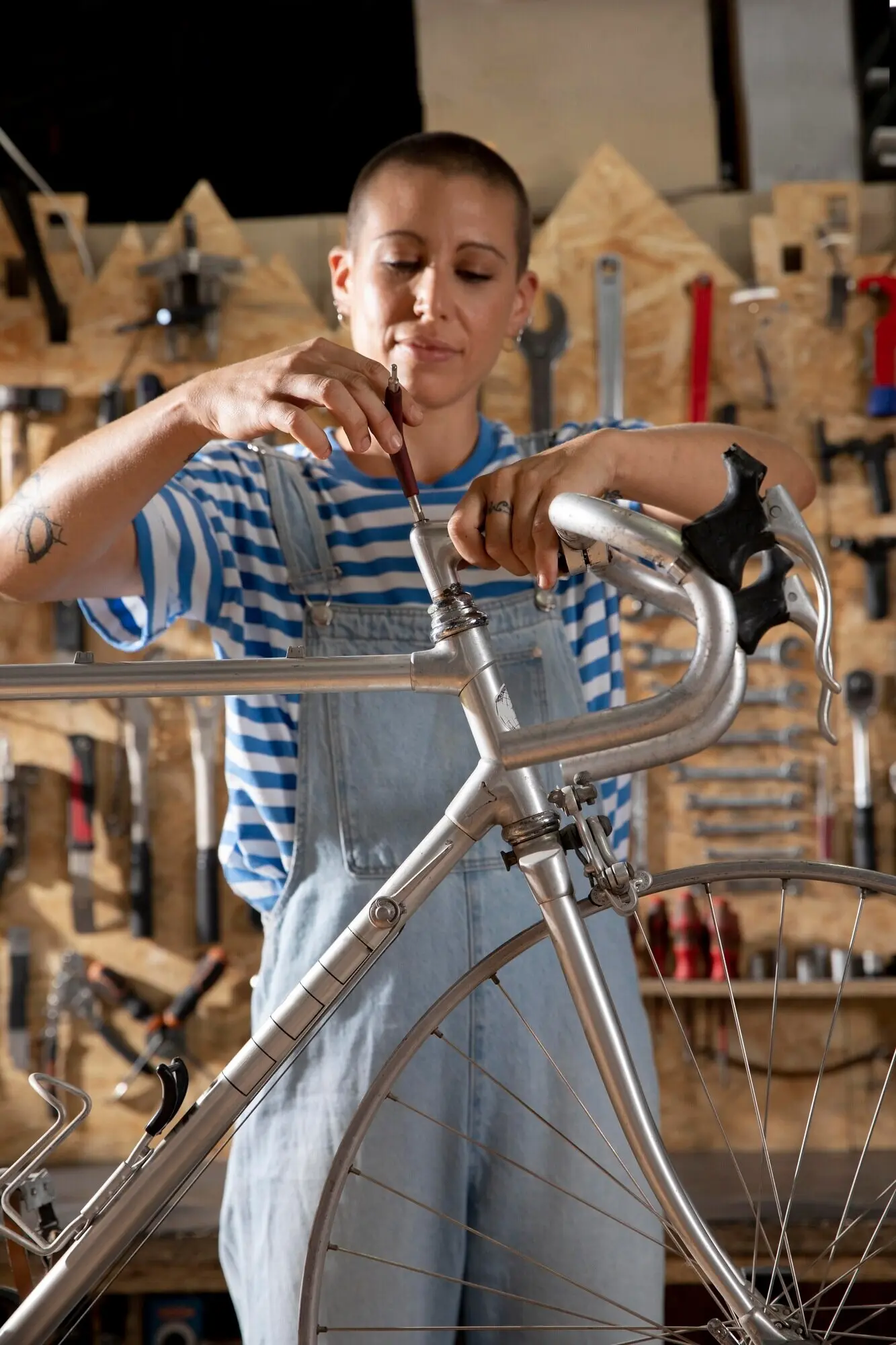
Repair Together, Share With Dignity
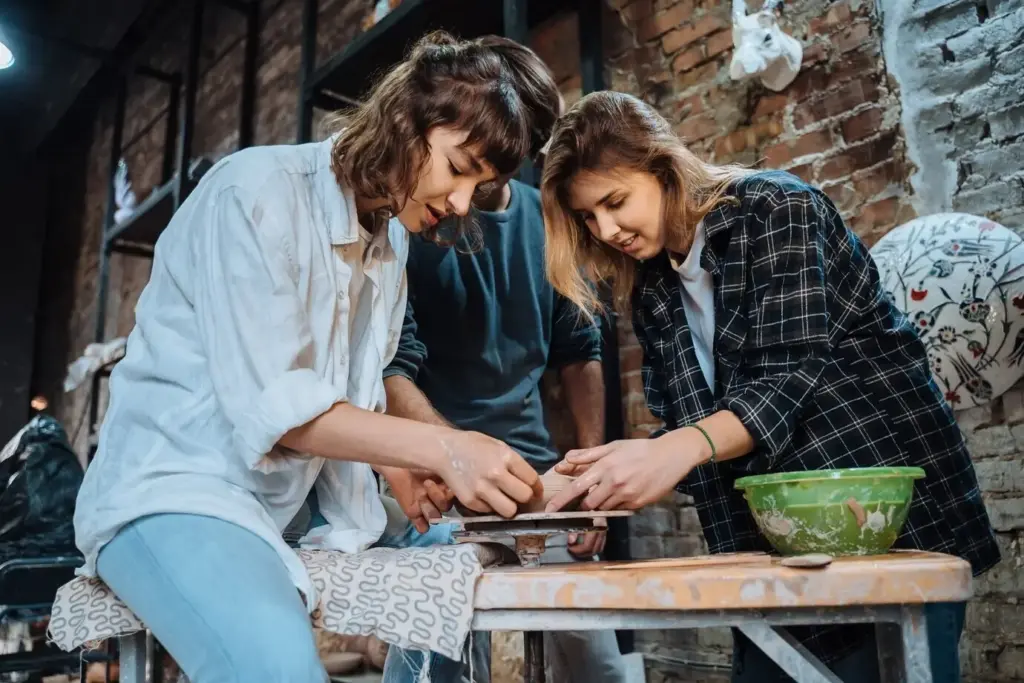
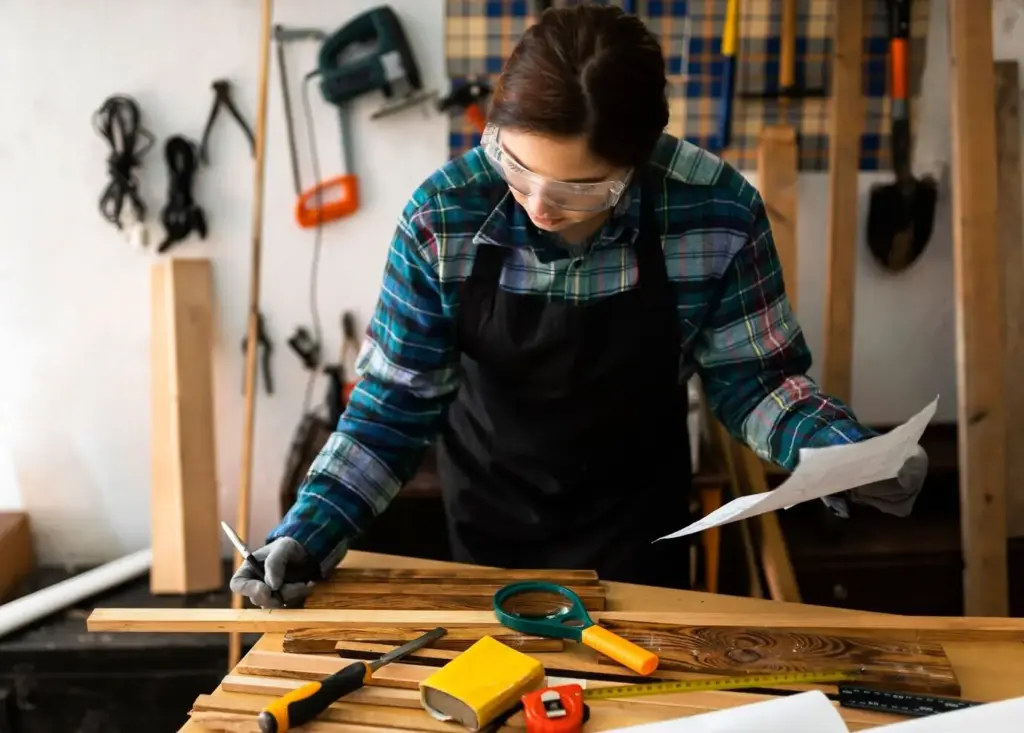
Today we explore Inclusive Share and Repair Programs: Removing Barriers for Renters, Seniors, and Low-Income Neighbors, celebrating practical ways communities keep goods working, budgets balanced, and people connected. Expect stories, actionable guidance, and welcoming ideas that make participation easy, safe, and pride‑affirming for every neighbor, regardless of housing status, mobility, income, language, or time constraints.

Affordability Meets Circular Economy
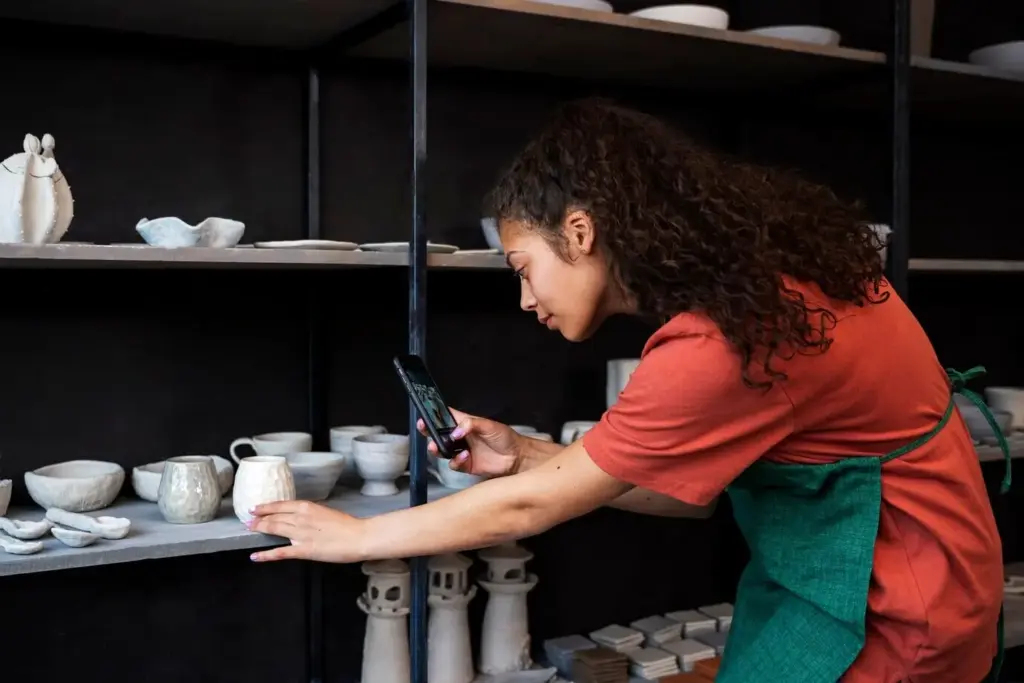
Repair keeps essentials in service longer, preventing emergency purchases that strain tight budgets. Tool libraries spare renters the cost of rarely used equipment, while community expertise replaces expensive service calls. Together, these choices form a circular habit: buy less, maintain better, waste little, and reinvest savings into household stability, health needs, and joyful moments that strengthen resilient communities.

Cutting Waste, Extending Product Life
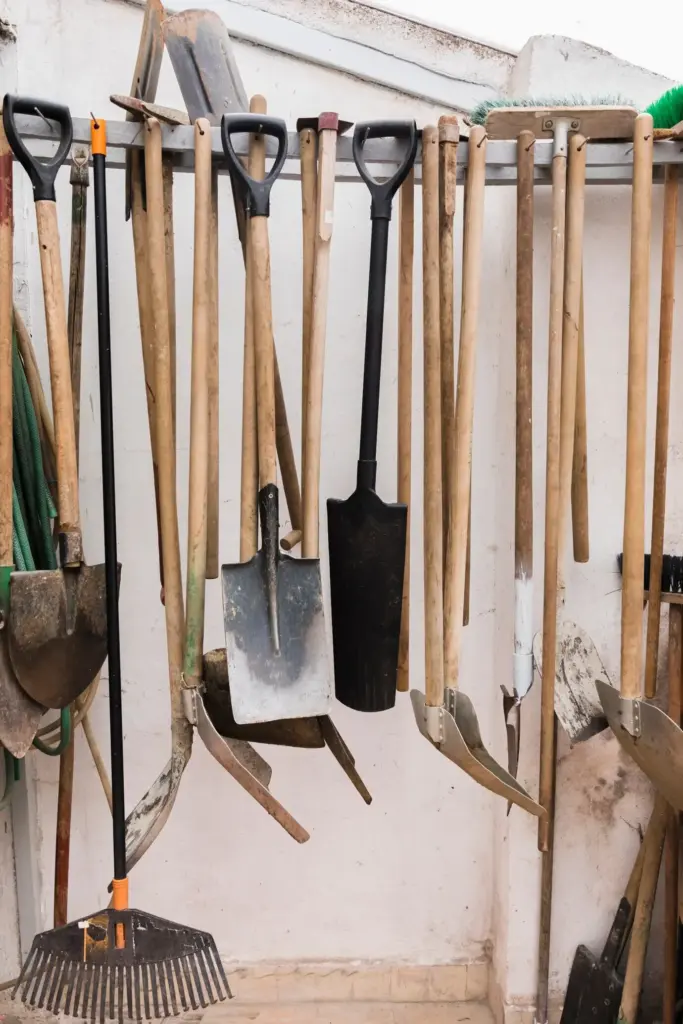
Every successful repair prevents one more item from entering the waste stream or burdening a donation center. Teaching simple diagnostics and maintenance extends the life of electronics, clothing, and appliances. This protects ecosystems, reduces emissions from new manufacturing, and normalizes caring for what we already own, creating a culture that prizes stewardship over disposability and collective responsibility over isolation.

Rebuilding Trust and Local Solidarity
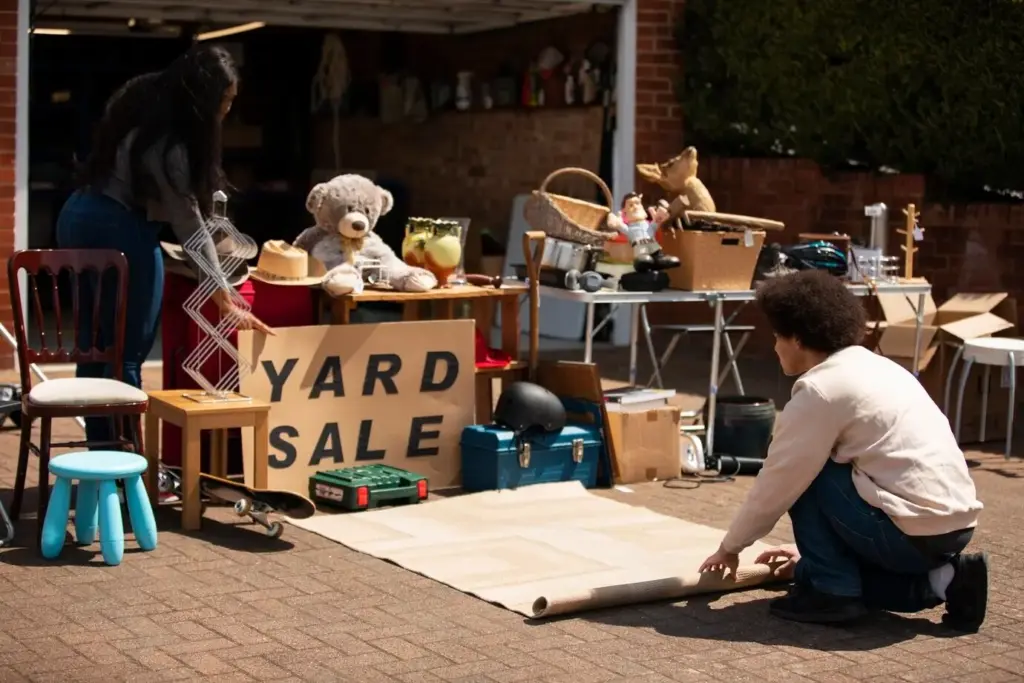
A neighbor helping a neighbor is transformative. In welcoming repair spaces, strangers become helpers, and helpers become friends. Seniors share lifetime tips. Renters bring creative workarounds. Parents model persistence for kids. The result is mutual confidence, safer neighborhoods, and a feedback loop where people show up for each other, long after the last hinge is tightened or zipper replaced.

Designing Programs Without Barriers

Inclusive design begins by listening. Ask what keeps people away: transportation? childcare? confusing signups? inaccessible hours? Then remove obstacles with clear instructions, sliding fees, translated materials, and mobile offerings. When processes are simple and welcoming, participation rises, outcomes improve, and dignity remains central, ensuring renters, older adults, and low‑income neighbors feel invited, respected, and empowered from arrival to celebration.

Tools, Spaces, and Mobile Solutions

Flexible infrastructure reaches people where they are. Mobile vans, pop‑up clinics, and lobby workshops reduce travel burdens. Apartment‑friendly tool collections fit closets, not garages. Partnerships with housing authorities, libraries, and faith communities unlock trusted spaces. When the right tools meet the right places, participation grows naturally, and small, consistent offerings create outsized, compounding impact across diverse neighborhoods.

Pop‑Up and Mobile Repair Units

Set predictable routes for vans carrying sewing machines, soldering stations, and basic diagnostics. Bring folding tables, power strips, and multilingual signage. Coordinate with building managers for elevator access and accessible entrances. Mobile units transform hallways and courtyards into welcoming repair hubs, eliminating transportation barriers and turning passing curiosity into confident engagement for hesitant first‑time participants and returning regulars.

Community Tool Libraries Where People Live

Place compact tool lockers in building lobbies, resident lounges, or nearby libraries. Curate kits for common apartment needs: picture hanging, fabric mending, simple electrical checks. Add QR codes for tutorials and low‑literacy diagrams. Smart checkouts enable reminders by text. When tools are as close as the mailroom, people borrow with ease and build lasting repair habits together.

Partnerships That Open Doors

Collaborate with tenant associations, senior centers, clinics, and mutual aid groups who already hold community trust. Co‑brand events, share calendars, and cross‑train volunteers. Offer co‑hosted hours before or after routine gatherings, like food distributions or health screenings. These partnerships respect existing relationships, reduce skepticism, and ensure consistent turnout, especially among neighbors who may feel overlooked or unwelcome elsewhere.

Funding That Keeps Doors Open

Durable programs blend community support, fair pricing, and institutional backing. Sliding scales meet grants, sponsorships, and sensible producer responsibility contributions. Transparent budgeting earns trust. Data on repaired items, cost savings, and landfill diversion strengthens proposals. The goal is stability without gatekeeping, ensuring consistent hours, reliable materials, and year‑round access for neighbors who depend on these services.

01

Sliding Scales and Pay‑It‑Forward Funds

Invite every participant to choose a comfortable contribution, with default suggestions that normalize variety. Add a visible, optional pay‑it‑forward box online and onsite. Share anonymized stories showing how small gifts cover parts, training, and rides. When generosity feels communal, not performative, programs sustain themselves without excluding those who most need consistent, low‑stress access to repair help.

02

Grants, Sponsors, and Producer Responsibility

Seek support from foundations focused on climate, aging, health, and workforce development. Invite local hardware stores and recyclers to sponsor consumables. Approach manufacturers for parts, manuals, and stewardship funding under extended producer responsibility frameworks. Tie requests to measurable outcomes and compelling narratives, showing how aid translates into lasting resilience for households otherwise strained by preventable replacement costs.

03

Metrics That Prove Impact

Track items repaired, estimated replacement costs avoided, volunteer hours, and diversion from landfill. Collect short, respectful testimonials describing regained independence, like a repaired walker or revived laptop enabling telehealth. Use anonymous demographics to understand reach without exposing identities. Clear dashboards help volunteers celebrate wins and arm funders with evidence that inclusive repair reliably converts modest investments into outsized community benefits.

Skill Building Without Intimidation

Begin with approachable repairs: buttons, hems, bicycle tire patches, basic laptop cleaning. Offer step‑by‑step cards, color‑coded bins, and mentors who demonstrate, then cheer learners through the final steps. Celebrate near‑misses and learning moments. A gentle, patient atmosphere transforms anxiety into pride, making people more likely to return, volunteer, and share new skills with neighbors and friends.

Volunteer Mentors and Onboarding

Structure mentorship with a short orientation, role clarity, and shadowing before independent coaching. Provide de‑escalation training and inclusive language guidance. Rotate roles to prevent burnout and encourage cross‑skills. Recognize mentors publicly and privately. When volunteers feel supported and valued, they transmit that care to participants, strengthening psychological safety as reliably as any pair of safety goggles or gloves.

Outreach That Actually Reaches

Effective outreach respects time, culture, and bandwidth. Flyers in laundry rooms and elevators beat distant billboards. Text messages outperform complex portals. Trusted messengers matter more than logos. Translate materials, pay ambassadors, and schedule reminders around paydays and transit timetables. When people feel seen in language and logistics, they show up, return, and bring neighbors who need encouragement.

How You Can Participate Today

Community programs thrive when many hands contribute at different levels. You can host a pop‑up, lend tools, translate materials, or simply bring an item to repair and cheer others on. Subscribe for updates, share ideas in comments, and invite a friend. Small, repeatable actions compound into lasting access that truly welcomes every neighbor to learn and lead.

Host a Building Repair Night

Ask your landlord or association for lobby access and permission to post flyers. We’ll provide a starter kit, safety checklist, and simple tutorials. Invite neighbors to bring easy fixes first. Capture suggestions for next time. These gatherings turn hallways into supportive classrooms where confidence grows, waste shrinks, and friendships strengthen with every shared tool and encouraging conversation.

Donate Tools, Time, or Space

Gently used tools, fabric scraps, fasteners, and laptops for parts are invaluable. Sign up for a volunteer shift, sponsor consumables, or offer storage and meeting space. Businesses can underwrite accessibility features or transportation vouchers. Every contribution removes friction and expands reach, ensuring consistent hours, reliable supplies, and welcoming experiences that meet people exactly where they already live.

Help Shape the Next Steps

Join our mailing list, answer quick polls, and comment with what you most want fixed or shared. Share accessibility needs, language preferences, and optimal hours. Consider serving on a resident advisory circle. Your lived experience guides decisions about tools, spaces, and schedules, making inclusive repair not just available, but unmistakably designed with and for your community.
Qerunavolixaptanlo
Privacy Overview

This website uses cookies so that we can provide you with the best user experience possible. Cookie information is stored in your browser and performs functions such as recognising you when you return to our website and helping our team to understand which sections of the website you find most interesting and useful.