Repair Cafés That Spark Community: Volunteers, Skills, and Second Chances

Today we explore Repair Cafés as social hubs, focusing on recruiting volunteers and sharing skills. Expect practical strategies, generous stories, and field-tested tools you can use immediately. Whether you coordinate events, fix things, or just love neighbors, you will find ways to welcome helpers, nurture confidence, and turn small repairs into lasting connections. Join the conversation, share your own experiences, and invite a friend who might fall in love with mending.

Why Shared Repair Transforms Neighborhoods

Repair Cafés flourish because they bring people together around hope, curiosity, and stewardship. A stalled toaster becomes a shared puzzle, and a frayed cable opens a conversation between generations. The movement’s modern momentum traces to Amsterdam in 2009, yet its spirit is timeless: neighbors teaching neighbors, tools passed hand to hand, and dignity returning when something works again. Comment with your first repair memory, and notice how quickly stories ignite warmth and belonging.

Recruiting Volunteers Who Shine

Crafting an Irresistible Invitation

Recruitment succeeds when your ask sounds like a gift, not a plea. Share the impact plainly: pounds diverted from landfill, neighbors connected, skills discovered. Describe time boundaries, training provided, and support available. Replace vague calls with vivid promises: “Two-hour greeter shift, script included, no tools required.” Include a friendly RSVP form, an orientation date, and a photo of real volunteers smiling over a repaired kettle. Invite replies, and personally thank each responder by name.

Partnerships That Open Doors

Recruitment succeeds when your ask sounds like a gift, not a plea. Share the impact plainly: pounds diverted from landfill, neighbors connected, skills discovered. Describe time boundaries, training provided, and support available. Replace vague calls with vivid promises: “Two-hour greeter shift, script included, no tools required.” Include a friendly RSVP form, an orientation date, and a photo of real volunteers smiling over a repaired kettle. Invite replies, and personally thank each responder by name.

Reducing Friction From First Hello to First Fix

Recruitment succeeds when your ask sounds like a gift, not a plea. Share the impact plainly: pounds diverted from landfill, neighbors connected, skills discovered. Describe time boundaries, training provided, and support available. Replace vague calls with vivid promises: “Two-hour greeter shift, script included, no tools required.” Include a friendly RSVP form, an orientation date, and a photo of real volunteers smiling over a repaired kettle. Invite replies, and personally thank each responder by name.

Skill-Sharing That Sticks

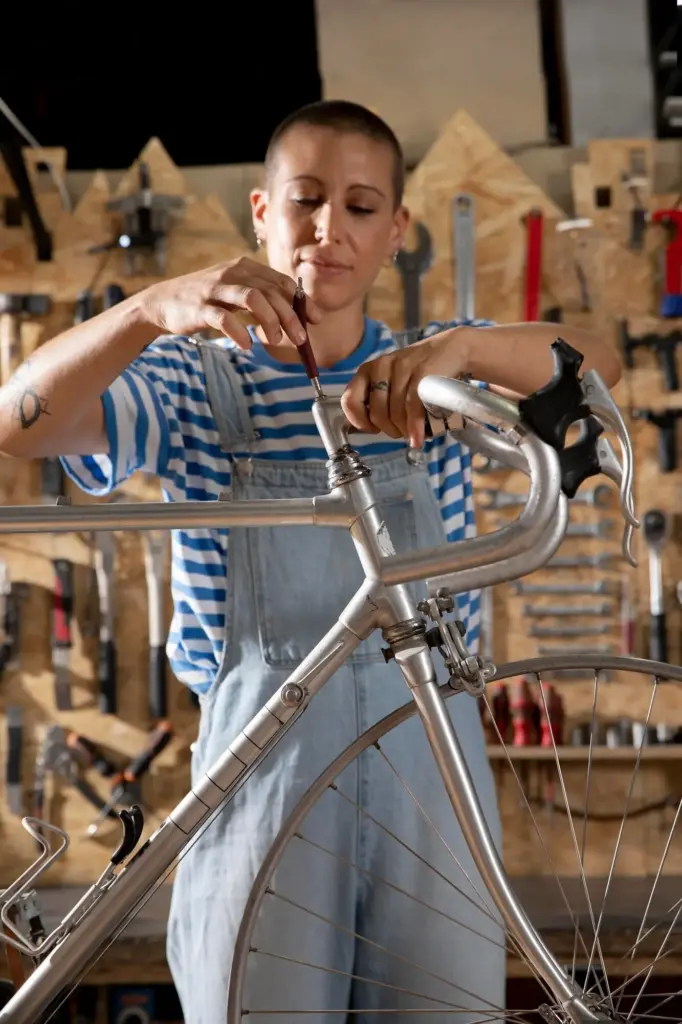
Great repair spaces are schools in disguise. Structure stations by skill families—electrical, textiles, bicycles, furniture, and diagnostics—so knowledge flows visibly. Pair mentors and learners with rotating roles to prevent gatekeeping and burnout. Create simple “skill passports” where volunteers stamp milestones, from safe soldering to bicycle brake adjustment. Encourage curiosity pauses where someone narrates a step. Record recurring fixes in a searchable log. Invite readers to share their most surprising repair insight in the comments.

Triage and Intake That Respect People and Devices

Welcome with eye contact, then record the item’s story, symptoms, and owner expectations. Tag each device, attach a ticket, and stage it in a queue by risk and complexity. Clarify boundaries: data privacy, no guarantees, and participatory repair. Photograph wiring before disassembly. If unsafe conditions appear—battery swelling, scorched insulation—explain why refusal protects everyone. Offer recycling guidance or specialist referrals. This respectful process reduces misunderstandings, keeps benches flowing, and helps newcomers feel safe enough to learn.

A Safe, Calm Bench Is a Productive Bench
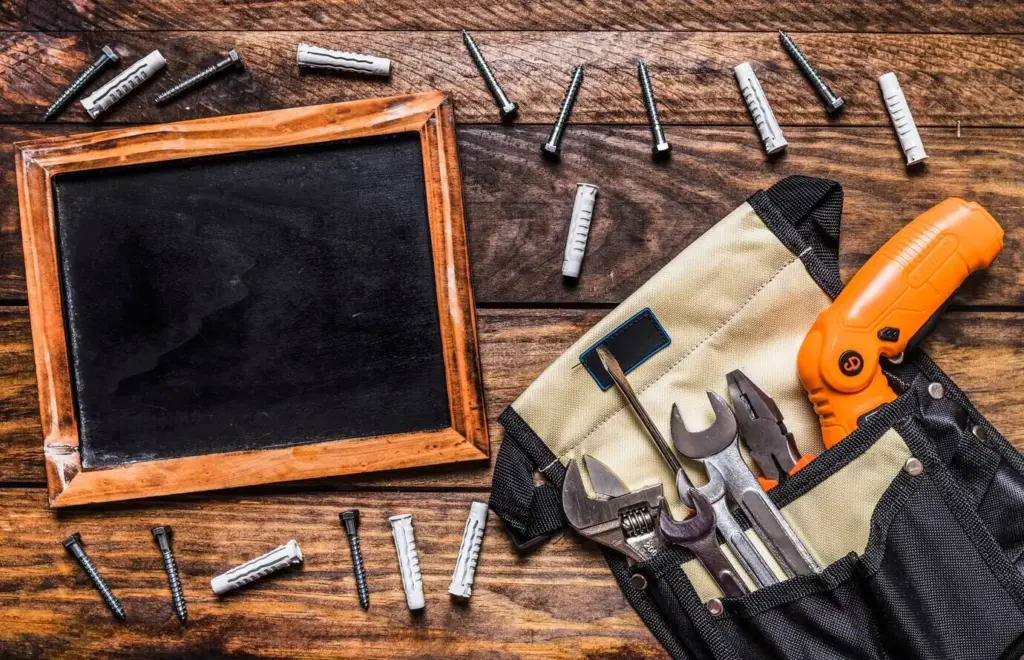
Lay out isolation transformers and RCD protection for mains testing, plus fume extraction for soldering. Provide gloves, eye protection, and mats. Keep tools sharpened and calibrated; dull blades and dead meters cause accidents. Schedule brief stretch breaks to prevent fatigue. Store caffeine away from electronics. Post a red-card system allowing anyone to pause a risky step. Safety culture grows through invitation: explain the why behind rules, thank vigilant behavior, and model cheerful, consistent compliance.

Storytelling That Earns Trust

A single photo of a smiling owner holding a revived lamp says more than a poster of slogans. Pair images with a few heartfelt sentences about the people who helped and what was learned. Credit volunteers by first name only, if they prefer, and always gather consent forms. Rotate stories across platforms—newsletter, bulletin boards, community radio—so different audiences encounter your warmth. Invite readers to reply with questions; personal responses turn browsers into committed helpers.

Accessibility From the Start

Inclusion is design, not an afterthought. Choose ground-floor venues with accessible restrooms, clear aisles, and bright, non-glare lighting. Offer printed guides in large type, bilingual greeters, and a quiet space for sensory breaks. Provide seating at every station and consider child-friendly activities near, but safely separated from, tools. Post a simple accessibility statement in event listings and ask visitors for suggestions. Small improvements accumulate, signaling that every neighbor is welcome to learn, help, and thrive.

Volunteer Recognition That Lasts

Recognition should be thoughtful, frequent, and lightweight. Monthly shout-outs, handwritten notes, skill-badge stickers, and a shared gallery of repaired items can feel more meaningful than grand ceremonies. Invite volunteers to co-design workshops, lead micro-lessons, or choose donation recipients for surplus funds. Offer reference letters on request. Celebrate learning moments as victories, not just perfect fixes. Ask volunteers how they prefer appreciation and track it. Affirmation fuels retention, and retention compounds into institutional wisdom everyone benefits from.

Funding, Partnerships, and Long-Term Momentum

{{SECTION_SUBTITLE}}
Funding That Aligns With Values
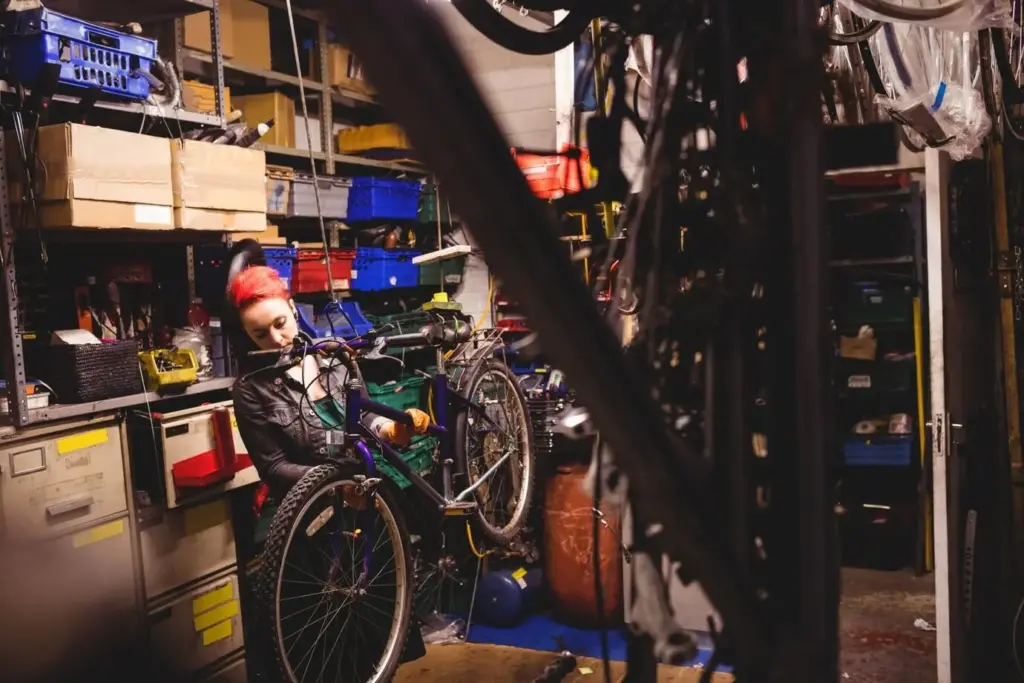
Accept support that strengthens learning and independence, not pressure to upsell or dispose. Publish a simple budget: consumables, safety gear, venue costs, insurance, and outreach materials. Offer donors choices—buy a soldering iron, sponsor sewing needles, or cover printing. Collect small recurring gifts through membership-style pledges. Thank contributors publicly and show results through photos and stories, not only numbers. The goal is a resilient commons where neighbors, tools, and knowledge circulate freely and generously.

Allies Across the City

Map your ecosystem: repair-friendly businesses, fix-it clubs, bike co-ops, cultural centers, thrift shops, and recycling facilities. Propose joint events like a textile mending fair or a bicycle tune-up day in the park. Collaborate with teachers on credit-earning service hours. Ask city sustainability offices to include your dates in newsletters. Keep a calendar to avoid conflicts and create delightful crossovers. These alliances distribute effort, expand skills, and weave the café into the city’s social fabric.
Qerunavolixaptanlo
Privacy Overview

This website uses cookies so that we can provide you with the best user experience possible. Cookie information is stored in your browser and performs functions such as recognising you when you return to our website and helping our team to understand which sections of the website you find most interesting and useful.