










Launch a Community Tool Library That Neighbors Love

Today we explore starting a community tool library, unpacking practical steps, realistic costs, and governance models that safeguard trust. Expect candid lessons from grassroots projects, ideas that travel between neighborhoods, and approachable guidance to help you move from bright intention to borrowed saws, shared ladders, and a buzzing workshop calendar.

Imagining the Shared Workshop

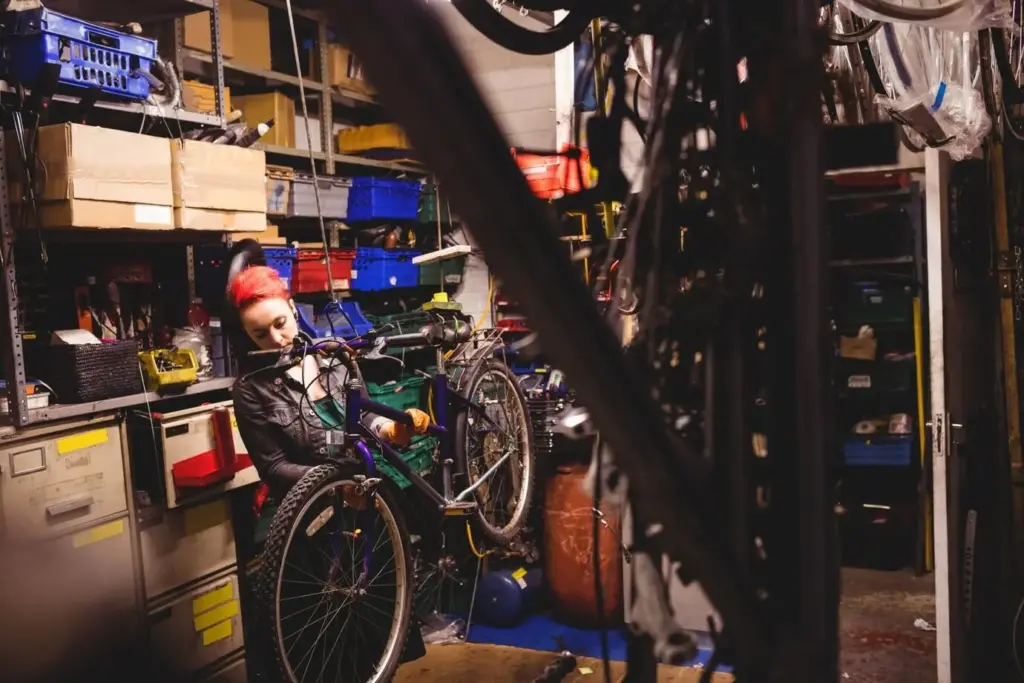
Picture a welcoming room where drills, sewing machines, and soil sifters sit side by side, ready for weekend fixes and big dreams. A community tool library turns occasional needs into shared capacity, strengthens neighborly ties, reduces waste, and invites people who rarely meet to collaborate on projects that feel both useful and joyful.

From Idea to Action: Step-by-Step Startup Path

Transforming enthusiasm into operations requires a thoughtful sequence. Assemble a core team with clear roles, validate demand, choose a location, draft lending policies, and pilot small before scaling. Document every experiment, celebrate quick wins, and keep neighbors informed. That steady cadence converts curiosity into confident, recurring participation.

Budget, Funding, and Sustainable Costs

A realistic budget keeps the lights on and the blades sharp. Plan for rent or storage, insurance, software, labeling supplies, PPE, training materials, and routine maintenance. Blend revenue from memberships, overdue fees with grace, workshops, sponsorships, grants, and donations. Financial transparency nurtures trust and long-term community investment.

Nonprofit and Fiscal Sponsorship Options

Fiscal sponsorship offers a fast, compliant way to accept grants while testing operations. Nonprofit incorporation brings autonomy and obligations, including filings and board duties. Weigh administrative load against benefits, consult local experts, and draft bylaws that right-size oversight without stalling nimble community problem solving when needs change quickly.

Cooperative Ownership and Member Voice

A cooperative can align incentives by making borrowers the owners. Members elect a board, vote on policies, and share responsibility for sustainability. Clear participation expectations and simple feedback channels keep decisions grounded. This model shines where community identity is strong and shared stewardship feels natural, celebrated, and durable.

Building the Collection and Managing Inventory

A thoughtful collection serves beginners and seasoned makers alike. Create donation guidelines, prioritize durable brands, and bundle toolkits for common projects. Maintain a repair schedule, track usage data, and retire unsafe items quickly. The right mix reduces frustration, speeds learning, and earns five-star stories from grateful borrowers every month.

Smart Acquisition and Donation Policies

Publish a wishlist with specific models and conditions, and kindly decline items that create more burden than value. Test every donation, record serial numbers, and label accessories clearly. Focus on multi-use tools, and standardize batteries. Donors appreciate clarity, and staff appreciate collections that work reliably on busy Saturday mornings.
Maintenance, Safety, and Liability

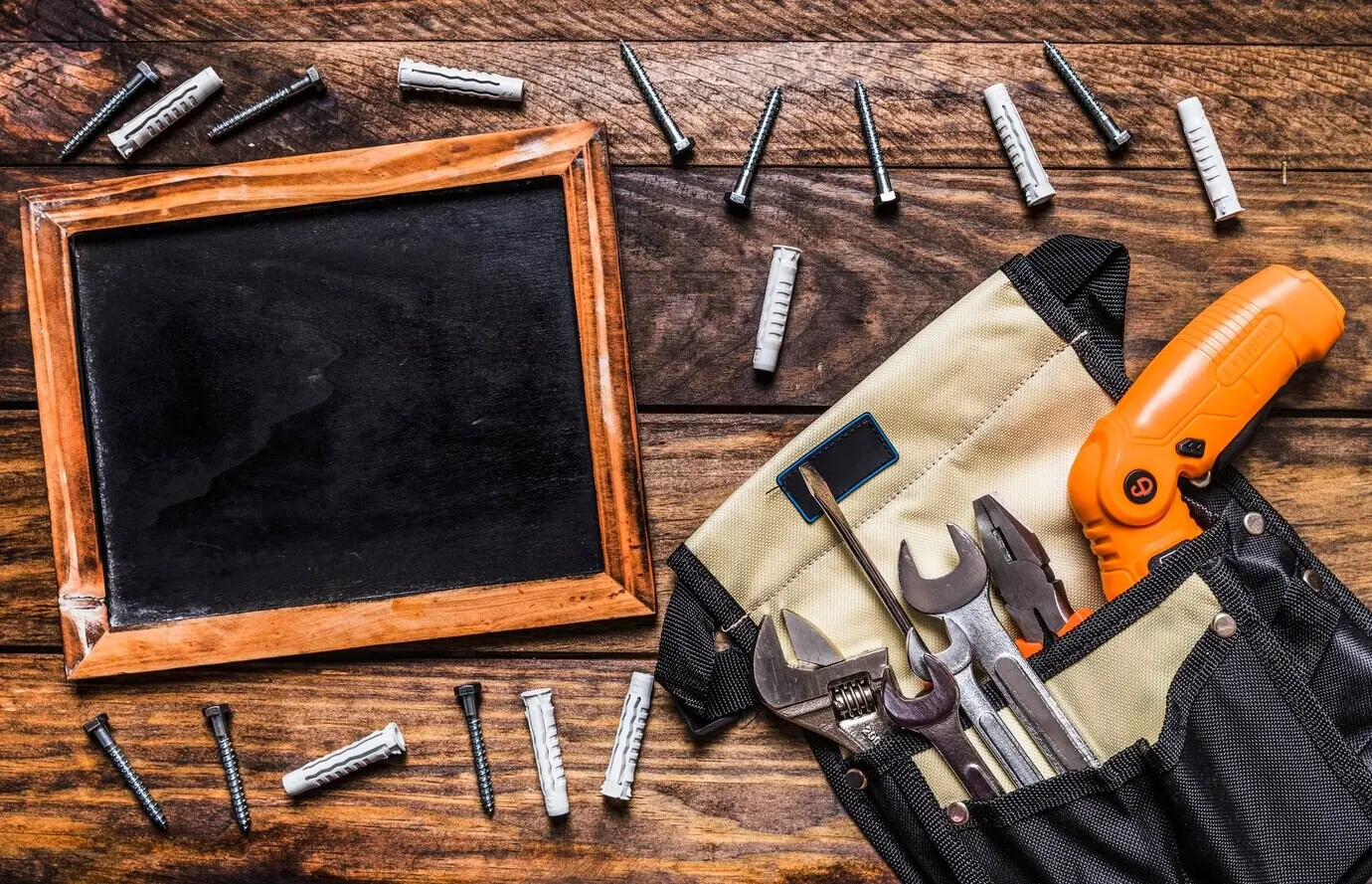
Safety is a promise you make every day. Provide PPE with instructions, require short orientations for higher-risk tools, and log tune-ups. Photograph items at checkout to document condition. Share safety videos by text after reservations. These habits reduce injuries, prevent disputes, and keep borrowing joyful rather than stressful or intimidating.

Circulation Systems and Data Insights

Adopt simple software that handles reservations, barcodes, and reminders. Tag accessories to avoid incomplete returns, and set fair overdue policies with clear grace periods. Review usage dashboards monthly to refine hours and prioritize replacements. Data should guide, not govern, human-centered decisions that keep your culture caring and responsive.

Volunteer Power, Staffing, and Training

Recruitment That Reflects the Community

Invite neighbors of different ages, languages, and abilities to join. Partner with schools, trade groups, and tenant associations. Provide child-friendly shifts and flexible scheduling. Representation matters at the counter and in the workshop, shaping trust, safety, and programming ideas that meet diverse household realities across the entire neighborhood.

Training Playbooks and Safe Operations

Convert essential tasks into checklists: opening procedures, intake inspections, tool demos, and incident reports. Short videos and laminated guides help new volunteers succeed on day one. Practice role plays for tricky conversations. Confidence in procedures frees staff to extend kindness, solve problems, and keep lines moving efficiently during rushes.

Recognition, Culture, and Retention

Thank-you rituals matter. Host quarterly potlucks, highlight volunteer stories, and offer learning pathways to teach classes or lead repair days. Small stipends or gift cards can acknowledge extra effort. When people feel seen, they stay, and your library inherits the steady heartbeat of committed, joyful community leadership.

Programs, Outreach, and Measurable Impact

Programming turns shelves into experiences. Offer beginner workshops, repair cafés, planting days, and seasonal home maintenance clinics. Tell stories that celebrate clever fixes and money saved. Track access, cost avoidance, carbon reduction, and skill gains. Invite readers to subscribe, share project photos, and suggest collaborations that strengthen neighborhood resilience.
Qerunavolixaptanlo
Privacy Overview

This website uses cookies so that we can provide you with the best user experience possible. Cookie information is stored in your browser and performs functions such as recognising you when you return to our website and helping our team to understand which sections of the website you find most interesting and useful.