Neighbors Fixing Together: The Joy of Sharing and Repair
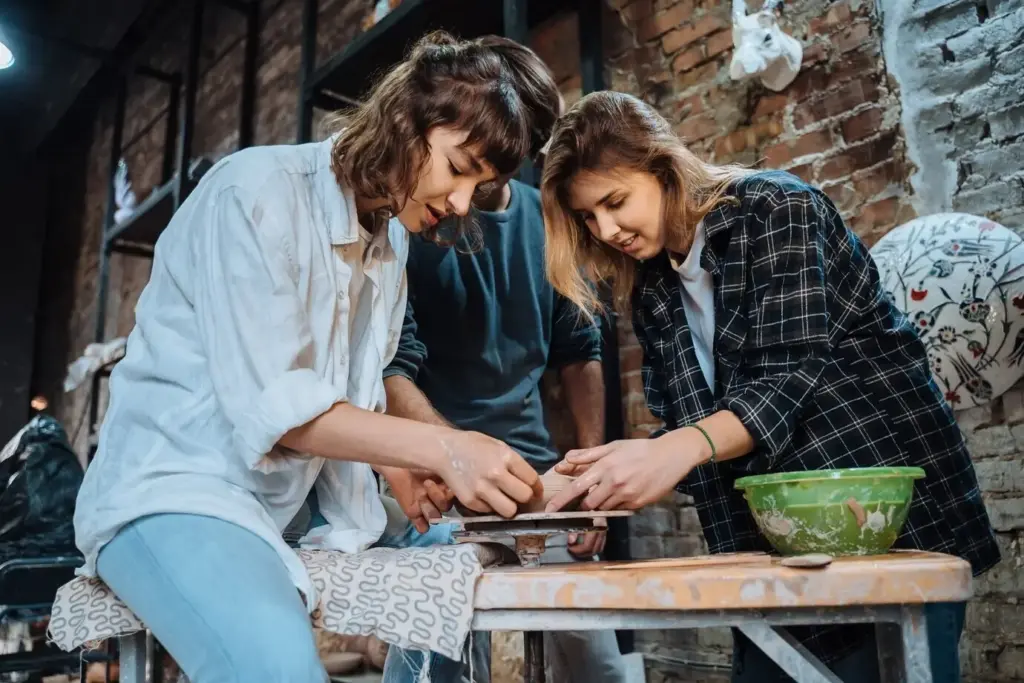

Why Sharing and Repairing Strengthen a Neighborhood
01
From Throwaway to Keep Forever
A scuffed chair holds stories you cannot order online, especially when a neighbor teaches you how to tighten wobbling legs and refresh the finish. Repair preserves materials, memories, and the craftsmanship embedded in everyday items. It slows decision making, encourages curiosity, and replaces consumer anxiety with agency. Over time, familiar objects carry signatures of care—new stitches, replaced screws, and careful patches—that remind everyone that durability is a shared practice, not a solo task or marketing slogan.
02
Trust Built Over Borrowed Tools
A simple sign‑out sheet and a labeled shelf can nurture accountability better than lectures. People return tools because faces, not corporate policies, are attached to them. Friendly reminders replace penalties, and reliability earns quiet respect. Over weeks, what begins as a cautious loan turns into mutual confidence: ladders, sewing machines, and soldering irons circulate, accompanied by tips, jokes, and thanks. The tool library becomes a handshake in wood and steel, teaching responsibility through everyday use rather than posted rules alone.
03
Hidden Skills Come to Light
Someone on your block can sharpen knives like a pro; another understands bicycle gears by sound alone. When a regular repair night happens, those subtle talents finally surface. A retired electrician mentors teens through careful safety steps. A new neighbor shares textile techniques learned abroad. People who thought they had nothing to contribute discover they can test batteries, label bins, or translate instructions. Skill discovery builds dignity, belonging, and a rhythm of contribution that keeps momentum lively without exhausting anyone.
Setting Up a Share & Repair Hub
Stories from the Workbench
The Toaster That Toasted Again
It arrived with frayed hopes and burnt crumbs. Five minutes of cleaning, a new cord, and careful continuity checks later, the orange indicator finally glowed. The owner laughed, then cried, remembering breakfasts with a sibling now living abroad. Everyone applauded as bread popped perfectly. The fix cost less than a coffee, but the moment was priceless. That story now recruits nervous visitors who whisper, “Maybe my kettle has a chance,” and suddenly the line for diagnostics grows joyfully longer.
Bikes Rolling After Rain
A sudden downpour soaked the park, yet a small canopy held a circle of neighbors oiling chains, truing wheels, and swapping spare tubes. A child learned to patch a puncture, then taught another child, contagious with proud giggles. Parents planned a weekend ride to test smooth gears. The volunteer mechanic admitted he once feared touching derailleurs; now he guides calmly with mnemonic tips. Puddles glistened, air pumps hissed happily, and the ride home felt lighter than the storm.
Teaching, Learning, and Passing It On
Workshops That Welcome Everyone
Start with an easy win—replacing a vacuum belt, sewing a basic patch, or fixing a wobbly chair. Provide printed steps, pictograms, and translations to reduce anxiety. Keep tools reachable and materials pre‑sorted. Celebrate each completion with a bell or sticker board. Offer childcare corners and quiet tables for sensory comfort. Invite participants to teach the next group what they just learned, reinforcing understanding. When people leave empowered, they return with friends and become ambassadors who carry the practice across the block.
Mentorship Across Generations
A teen learning soldering from a retired radio technician discovers patience, while the mentor discovers fresh curiosity. Intergenerational mentoring transfers technique and temperament: steady hands, safety habits, and creative troubleshooting. Schedule recurring pairs to build rapport, and rotate partners to share styles. Invite elders to narrate stories about scarcity, craftsmanship, and resourcefulness. Invite youth to propose modern twists, from LED retrofits to design upgrades. Mutual respect grows as both sides recognize that wisdom and invention naturally strengthen each other.
Documenting Fixes for Future Hands
Capture photos before every screw turns. Note part numbers, wire colors, and tricky clips. Store guides in a shared folder or binder, tagged by item type for quick reference. Encourage short video walkthroughs that anyone can record on a phone. Documentation transforms one person’s insight into a reusable resource, reducing repeated mistakes and accelerating future successes. It also helps newcomers feel safe jumping in, because they can preview steps and choose a task that matches their comfort and curiosity.
Waste Reduced, Resources Respected
Circular Spending That Stays Local
Data That Motivates Action
Join In and Keep It Going
Your First Small Step
Host a Repair Night
Support Through Donations and Sponsorships
All Rights Reserved.